
Healthcare Quality
Navigating NDIS and SIRS Reporting under the new Act
The new Aged Care Act in Australia introduces new challenges for NDIS providers who offer aged care services or having

The new Aged Care Act in Australia introduces new challenges for NDIS providers who offer aged care services or having

The new Aged Care Act, set to take effect on July 1, 2025, introduces sweeping reforms designed to enhance the

Needlestick and sharps injury (NSI) is a serious occupational hazard and health concern. Healthcare workers (HCWs) who have frequent exposure to needles are at increased risk of NSIs. Sharps exposures can lead to serious or fatal infections with bloodborne pathogens such as hepatitis B virus, hepatitis C virus, or HIV. Proper reporting and prevention strategies are crucial in mitigating these risks.

Near miss reporting is crucial in improving patient safety and preventing harm. It helps in early detection of potential risks and hazards, improves safety culture and awareness, and promotes transparency and accountability.

There are different ways to categorize incidents in healthcare settings. Incident categorization can be based on various criteria such as risk, severity, impact on patients, urgency, stage/process, and the nature or consequence of incidents. There are industry guidelines on categorizing or rating incidents for specific incident types.
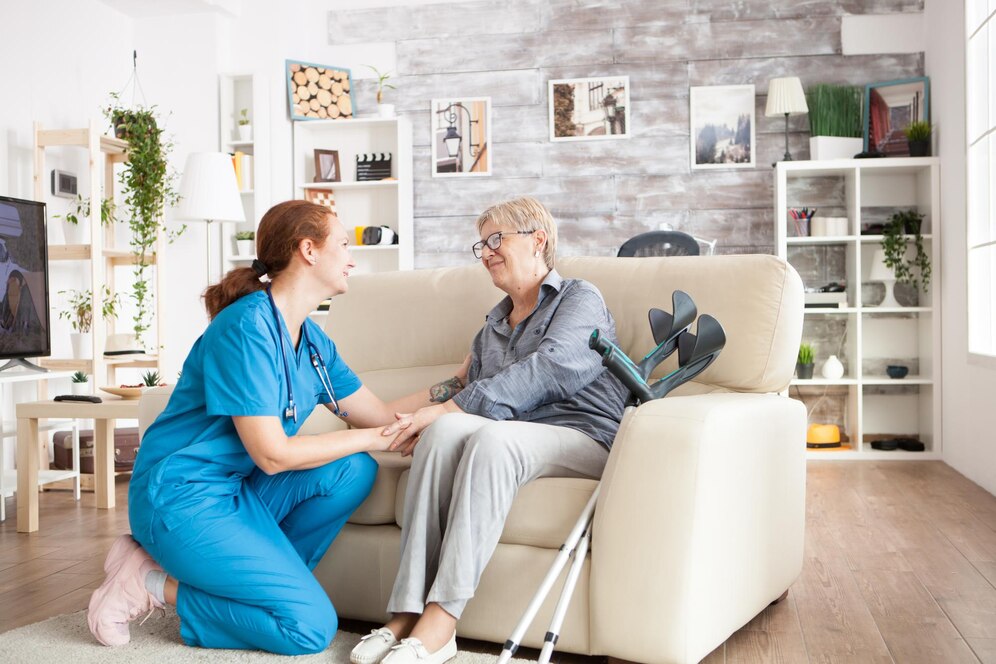
In this blog, we are sharing the key findings on safety incident reporting in care homes in a paper published by the Journal of Advanced Nursing. The study was a systematic review on the types of safety incidents, the processes and systems used for safety incident reporting in the care home sector.

The nursing home sector plays a vital role in caring for the aged and some of the most vulnerable groups in society. Healthcare needs of the elderly are rising and getting more complex, so is the focus on resident safety and quality of care. Incident reporting is integral to ensuring safety and quality of care. Under-reporting of incidents in the nursing home sector, as revealed by some studies, is an area of concern.

Open communication is critical in fostering a safety culture and a positive work environment in healthcare. In this blog, we look at the pivotal role of online incident reporting in fostering open communication and creating a culture of safety, transparency, active learning, and continuous improvement.

Medication error (ME) is a key patient safety concern and a leading cause of avoidable patient harm in healthcare systems. However, MEs often go undetected or underreported. Reporting MEs is crucial for patient safety and continuous quality improvement in all healthcare organizations.

Falls are a prevalent safety concern and a leading cause of injuries involving patients and long-term care residents. It leads to injuries, longer length of hospital stays, post-fall anxiety and financial burdens. According to JCI Sentinel Event database, inpatient falls with serious injuries accounted for 42% of total sentinel events reported in hospitals in 2022.